Featured
Community-Based Specialty Counseling for Caregivers Balan...
Not known Details About State Initiatives That Offer Fina...

Community-Based Specialty Counseling for Caregivers Balancing Their Own Bills and a Loved One’s Needs Options Reviewed for Beginners
Table of Contents
That maximizes money in the short term, and you might have 3 to 4 years to conserve towards the negotiation quantity. Very dangerous to credit history, primarily due to missed out on repayments and a negative "settled" mark that can remain on your debt record for up to seven yearsMay be just option if other alternatives (financial debt combination, balance transfer charge card, debt mercy) aren't possibleTypically needs a charge to the 3rd celebration, which could offset some or all of the cost savings from financial debt settlementMay aid you avoid bankruptcy if you've missed out on numerous paymentsNot all creditors collaborate with financial obligation settlement firms Financial debt forgiveness might be ideal for you if you are experiencing a financial hardship that makes it nearly difficult to pay for your debt equilibriums.
With a DMP, you make one month-to-month payment to the debt counseling company. Those funds are after that dispersed to financial institutions of your unprotected debts, such as credit history cards and installment finances. The firm collaborates with your financial institutions to reduce rates of interest or forgo costs, however some creditors may reject such giving ins.
A financial obligation combination lending combines your eligible financial debts right into one new lending. It can aid you pay down financial obligation if you're able to secure a loan price that's reduced than the average price of the accounts you're combining. Nevertheless, you should avoid from racking up financial obligation on those freshly cleared accounts or your financial debt can grow even higher.

These cards typically use a 0% interest introductory duration of as much as 21 months. That provides you lots of time to remove or dramatically reduce your balance while making interest-free settlements. For some individuals facing insurmountable financial debt, insolvency may be the only means to quit collection procedures and legally fix their financial obligations.
Some Known Details About Resources Available for Your Financial Recovery Journey
You may need it if your lender or a collection firm ever before attempts to collect on the debt in the future. When a loan provider forgives $600 or even more, they are called for to send you Type 1099-C.
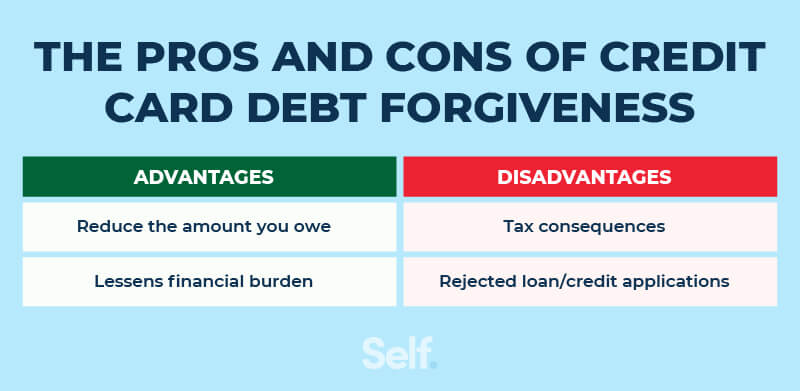
Financial debt forgiveness or settlement virtually always injures your credit. Anytime you work out a financial debt for less than you owe, it may show up as "worked out" on your credit scores record and impact your credit report for seven years from the date of settlement. Your credit report can additionally go down substantially in the months leading to the mercy if you fall back on payments.
The How Specialty Counseling for Caregivers Balancing Their Own Bills and a Loved One’s Needs Protects Your Property PDFs
Tax financial debt compromise programs Tax obligation debt occurs when the amount of taxes you owe surpasses what you have paid. This scenario frequently arises from underreporting income, not submitting returns on schedule, or inconsistencies located throughout an IRS audit. The repercussions of building up tax obligation debt are serious and can include tax liens, which give the internal revenue service a legal claim to your building as security for the financial obligation.
Higher rate of interest on offered credit rating. Salaries and Financial institution Accounts IRS can impose (confiscate) earnings and checking account to satisfy the debt. Lowered earnings and interruption of necessary economic procedures. Residential or commercial property Seizure In extreme cases, the internal revenue service can seize and sell residential property to cover the financial obligation. Loss of valuable possessions and prospective displacement.
Anxiety, stress and anxiety, and various other mental health concerns. Social Preconception Encountering lawsuit from the internal revenue service can carry social stigma. Damage to track record and partnerships. Employment Opportunities A bad credit history as a result of tax financial debt can restrict employment possibility. Problem finding or maintaining a job. Government Benefits Tax financial debt may impact eligibility for government benefits, such as Social Safety And Security and Medicaid.
Excitement About The Future in Bankruptcy Counseling Services
The OIC thinks about a number of elements, consisting of the taxpayer's earnings, costs, possession equity, and capability to pay. Successfully negotiating an OIC can be complex, needing a thorough understanding of the internal revenue service's standards and a solid disagreement for why your deal aligns with your capability to pay. It is essential to keep in mind that not all applications are accepted, and the procedure needs in-depth financial disclosure.
The IRS evaluates your total financial situation, including your income, costs, asset equity, and ability to pay. You should additionally be existing with all filing and settlement needs and not remain in an open insolvency case. The internal revenue service also considers your compliance background, evaluating whether you have a record of timely declaring and paying tax obligations in previous years.
The smart Trick of Important Things to Ask Any Bankruptcy Counseling Service That Nobody is Talking About
The application process for an Offer in Compromise includes numerous thorough actions. You have to finish and send IRS Type 656, the Offer in Compromise application, and Type 433-A (OIC), a collection details statement for people. These forms need detailed financial information, including details regarding your income, financial obligations, expenses, and possessions.
Back taxes, which are overdue taxes from previous years, can dramatically increase your complete internal revenue service financial debt if not resolved promptly. This financial obligation can accrue rate of interest and late payment charges, making the initial quantity owed a lot larger over time. Failing to pay back taxes can lead to the IRS taking enforcement actions, such as releasing a tax obligation lien or levy against your property.
It is necessary to resolve back tax obligations immediately, either by paying the sum total owed or by arranging a layaway plan with the IRS. By taking positive steps, you can stay clear of the buildup of added interest and penalties, and avoid more hostile collection actions by the IRS.
One usual reason is the idea that the taxpayer can pay the sum total either as a round figure or via a payment plan. The IRS also thinks about the taxpayer's income, expenditures, possession equity, and future earning possibility. If these elements suggest that the taxpayer can manage to pay greater than the offered quantity, the internal revenue service is most likely to decline the offer.
9 Simple Techniques For Monetary Impact What You'll Pay for Debt Forgiveness Programs
It is crucial to supply accurate and full info in your application and to seek advice from with a tax expert to enhance the chances of acceptance. Managing IRS financial debt can be complex and overwhelming. Tax obligation specialists, such as Certified public accountants, tax attorneys, or registered representatives, can provide very useful support. They have the expertise to browse the details of tax regulation and IRS procedures.

Table of Contents
Latest Posts

Fascination About Ongoing Support and Follow-Up Services
Community-Based Specialty Counseling for Caregivers Balancing Their Own Bills and a Loved One’s Needs Options Reviewed for Beginners

Not known Details About State Initiatives That Offer Financial counseling for veterans in Washington state who struggle with high housing costs
More
Latest Posts
Fascination About Ongoing Support and Follow-Up Services